The advice that sounds right
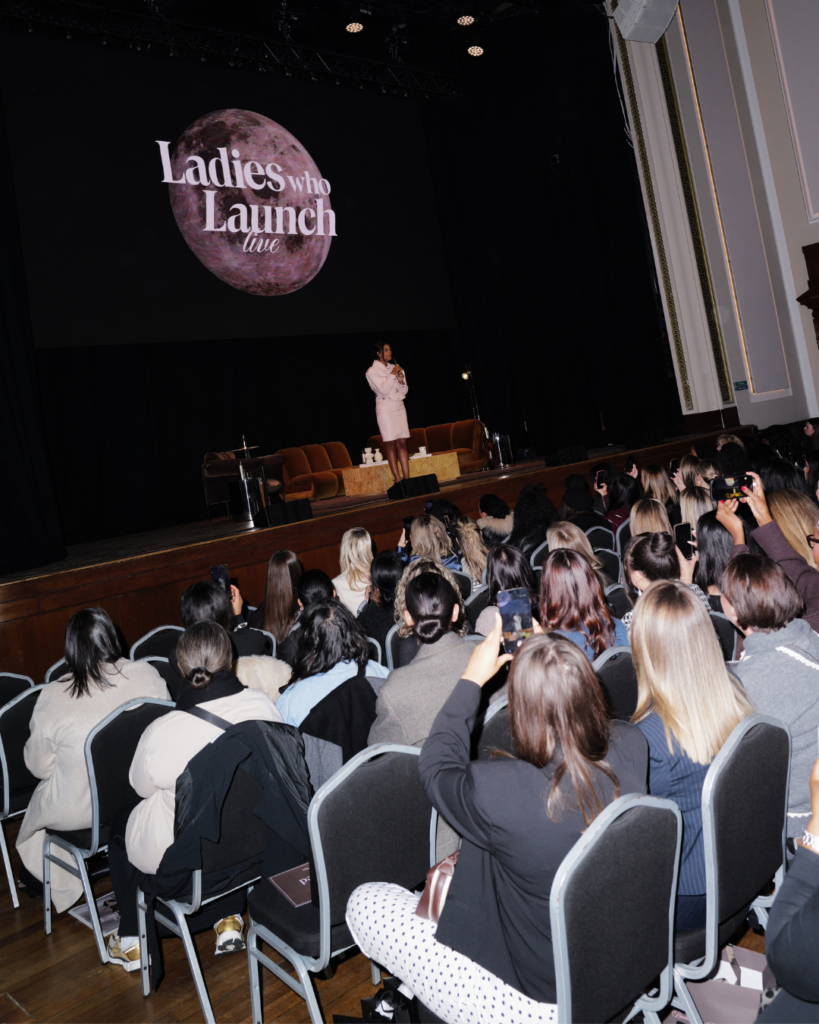
Dior Bediako, founder of Pepper Your Talk, opened with a simple challenge to the kind of start-up wisdom that gets repeated so often it turns into wallpaper. You get out what you put in. It sounds fair. It sounds moral. It also falls apart under basic maths. If you put in £100 and get £100 back, you have not grown anything. You have broken even.
She spoke about the years after leaving Burberry in 2015, when she lived by that rule. Early starts, late finishes, relentless networking, always “on”. The effort was real, but the returns stayed stubbornly small. Not because she was lazy or vague, but because the method itself had a ceiling.
Her fix was not “work harder”. It was “build backwards”. Start with the end goal, something bigger than your current capacity, then reverse-engineer the identity and habits required to reach it. The room tried it in real time, calling out targets with the kind of honesty that makes you sit up straighter: a million pounds in 18 months, UK market leadership in Pilates education, a £20 million exit. Dior’s point was blunt, but oddly freeing. Stop asking what your past proves you can do. Ask who you need to be next, and treat that as something you can choose.
When you don’t have the “right” background
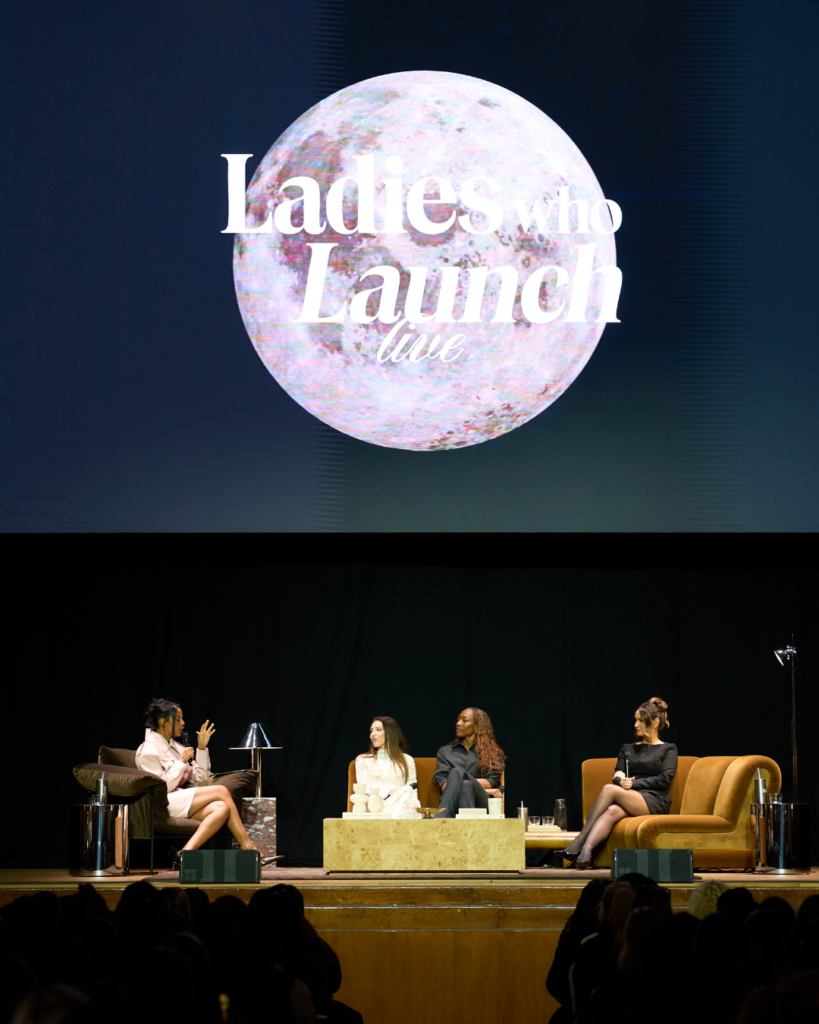
As the conversation moved into the panel, the focus turned from mindset to the messy middle: what you do when you are building without the usual badges of approval.
Lorna Luxe described an early choice that sounded almost counterintuitive. She grew her Instagram by cutting her face out of photos, keeping the attention on the clothes rather than on her. It gave her space to test ideas without turning every post into a judgement on her identity. It also let the work speak first.
Vanessa Kingori, British Vogue’s first Publishing Director and Chief Business Officer before moving to Google, offered a reframing that landed hard in the room. Being underestimated can frustrate you, but it can also protect you. People watch less closely. They interrupt less. They assume less. In that gap, you can build properly, quietly, and at your own pace.
Samantha Faiers spoke to a different version of the same problem. When she launched Revive Collagen, she had no beauty industry background, and people often assumed she was hired talent rather than the founder. She did not spend her energy fighting every assumption in public. She focused on distribution, product, and consistency. Five years later, Revive is in 5,000 UK stores.
The part nobody posts
Aimee Smale’s Odd Muse story gave the evening its most detailed look at how growth actually happens, and how fragile it can be.
She started with £12,000 in stock and no marketing budget. Then Lorna posted about the brand organically and 100 blazers sold out immediately. It looked like a dream moment. It also exposed a problem. Aimee had demand, but no system to hold it.
So she built one by hand. She collected 700 emails through an Instagram question box, copied them into an Excel spreadsheet, then negotiated with her supplier to produce stock she could not pay for upfront. She trusted she could sell while production ran. It was risky. It was also practical, and it worked.
That improvised fix became Odd Muse’s pre-order model, and it allowed four years of growth without external investment. Aimee’s point was simple: the viral moment is not the hard part. The hard part is turning attention into something steady, without burning out or breaking your business in the process. Odd Muse now plans for impact through pop-ups and flagship openings, treating visibility as something you can create on purpose, not something that only happens to you once.
What made the night
Under all the tactics, a quieter truth surfaced. The advantage often comes from knowing which “normal” advice to ignore.
Dior rejected input-output thinking. Vanessa spoke about using underestimation as cover. Aimee turned a chaotic spreadsheet into a repeatable model. Each story carried the same shape: do the unglamorous thing that works now, even if it looks wrong from the outside, then keep refining until it scales.
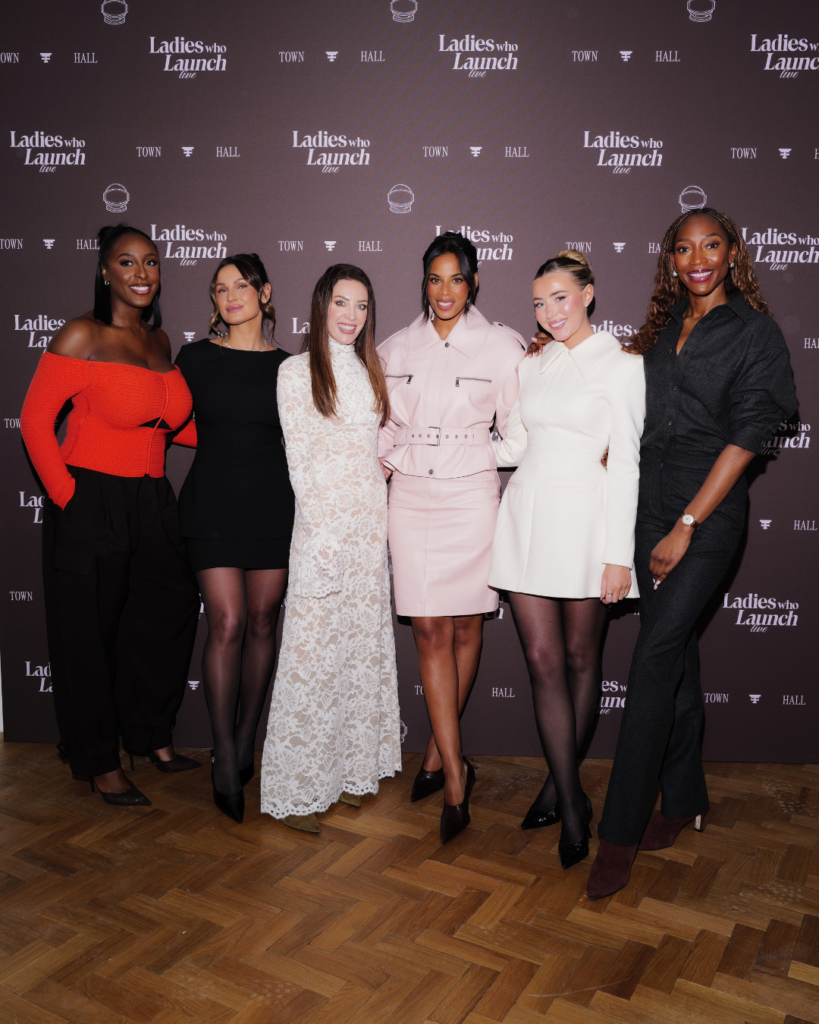
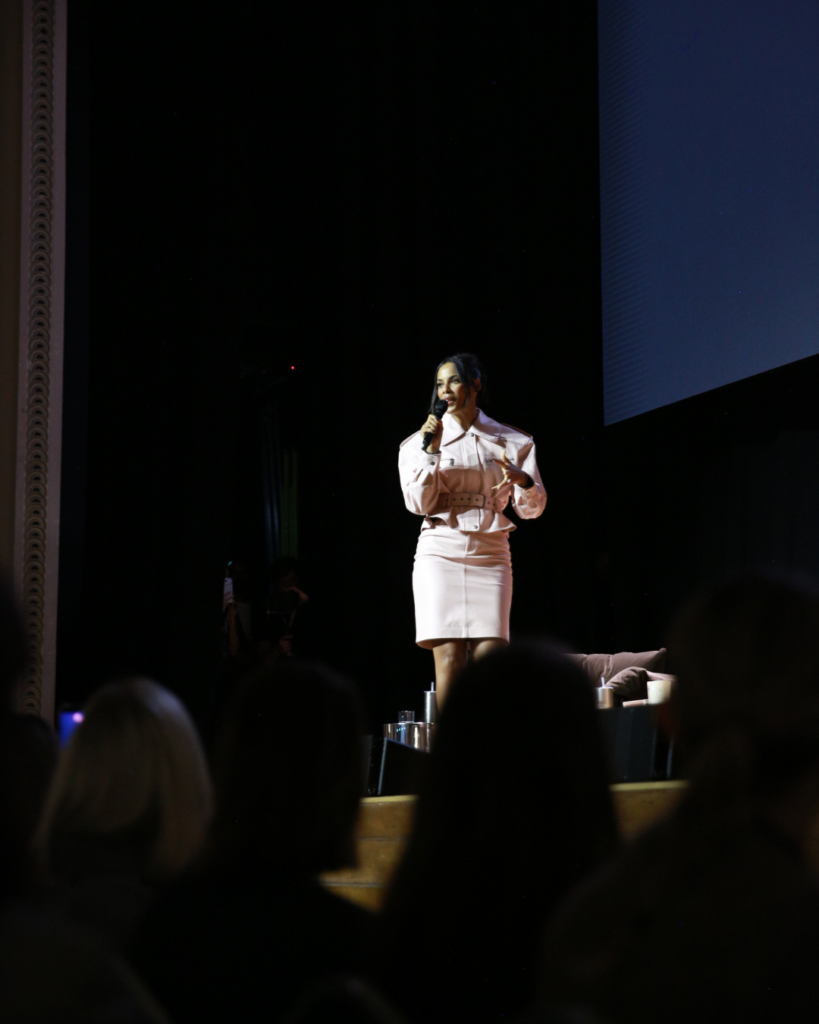
Rochelle closed by pushing the room to do what people say they will do at events, but often do not. Make the introductions. Swap supplier contacts. Offer something specific, not vague encouragement. People actually moved. Conversations started.
Notes got compared. It felt less like a talk you applaud and forget, and more like the start of a longer chain of small favours and solid advice.
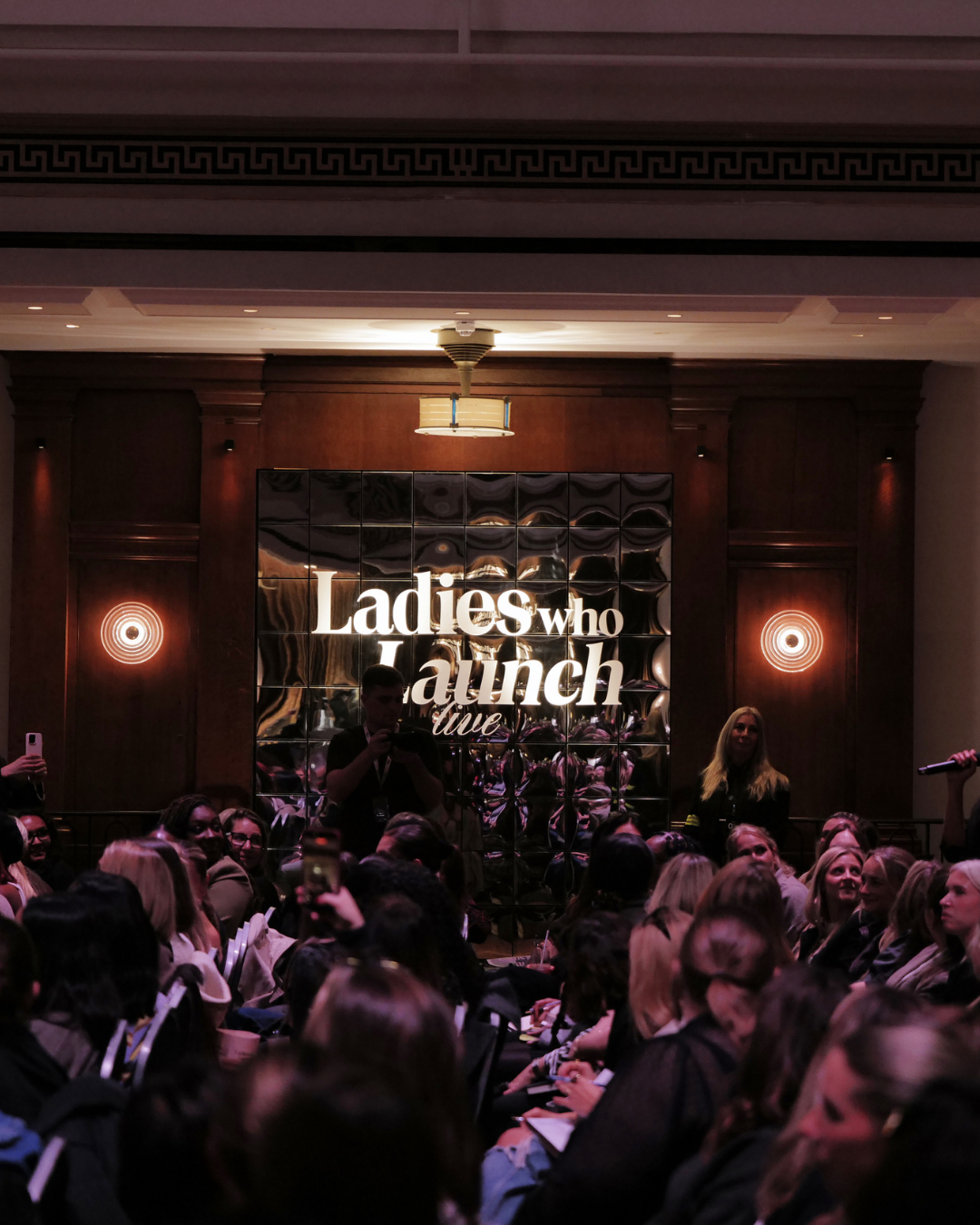
The audience came for tactics, and they got them. But the bigger gift was permission. Not to copy someone else’s path, but to build one that fits, even when it looks odd at first. At its best, that’s what Town Hall holds space for, not just big ideas, but the small exchanges that change what people believe they can do next.
PHOTO CREDITS HOLLIE MOLLOY