A future shaped by more hands. David Fogel of Alma traces how hidden defaults move from everyday design into early-stage capital, and why changing who writes the first cheque can change what gets built.
Who gets to build the future?
By David Fogel, Founding Partner, Alma Angels
Most people only notice exclusion when they are the one being excluded. Often at our events we ask people a simple question: “When was one moment in your life where you felt something wasn’t designed with you in mind?” In rooms of mostly men, we hear crickets. In rooms of mostly women, the examples come immediately.
Seat belts. Phone sizes. Office temperatures. Medical research. Plane seats. A phone that does not fit comfortably in your hand is not just a design choice. It is a clue. Someone else’s hand was treated as the default, and yours was treated as the edge case.
That probably was not deliberate exclusion. More likely, the designers treated their own hands, or the hands around them, as average. That is how hidden assumptions work: the default is the thing no one thinks to question.
Products are the visible end point. Long before something reaches the market, decisions have already been made. Which problem is seen as urgent. Which founder is seen as credible. Which customer group is considered big enough. Which market is called niche, and which is called an opportunity.
At Alma, we see this most clearly at the point where ideas either get oxygen or die: the first cheque.
The 2025 Alma Summit
human bias as infrastructure
We like to think early-stage investing is purely rational. We talk about market size, product, traction, team and business model. Of course those things matter. But at the earliest stage, because there isn’t much data, the decision is much more human.
Do I like you? Do I trust you? Do I believe you are the answer to this problem? Can I see myself in the future you are describing? That moment is not neutral.
Nature has built this bias into all of us, men and women. We connect faster with people who look familiar. We listen favorably when we connect. We are more open to believing the numbers when we already believe in the person.
This is not a character flaw. It is human. But when the vast majority of investors come from similar backgrounds, across gender, race, class and geography, human bias stops being personal. It becomes infrastructure.
The result is visible in the data. In the UK, all-female founder teams have received only around 2% of total venture capital over the past decade. Mixed-gender teams receive around 10p in every £1 of VC investment. At the same time, women make up just 14% of angel investors in the UK. And this is exactly where opportunity lives.
The Alma Summit brings together founders, investors, operators and ecosystem leaders
If women-led companies are consistently underfunded while building ambitious, high-growth businesses, that is a market inefficiency. And market inefficiency is where alpha lives.
We started Alma 6 years ago with a simple mission: to lead systemic change in innovation and generate $1 trillion in women-led wealth by 2050. That is why we focus on the people who write the first cheque. Open the first door. Make the first introduction. Decide what is “backable”.
Early-stage capital is not just money. It is belief, credibility, access and momentum. When we broaden who writes the cheques, we broaden what gets built. More diverse investors means more networks, and more chances for diverse founders to meet someone who connects with them and backs them. That is how we rebuild the infrastructure of innovation.
Innovation is not neutral. Neither is capital. They shape the world we live in. If we want a different future, a more inclusive and sustainable future, we have to reshape who builds, who funds and who benefits from innovation.
About Alma and The Alma Summit
Alma Angels is a diverse community of +650 Angels working to change who has access to early-stage capital, focusing on building women-led wealth and widening participation in the innovation economy.
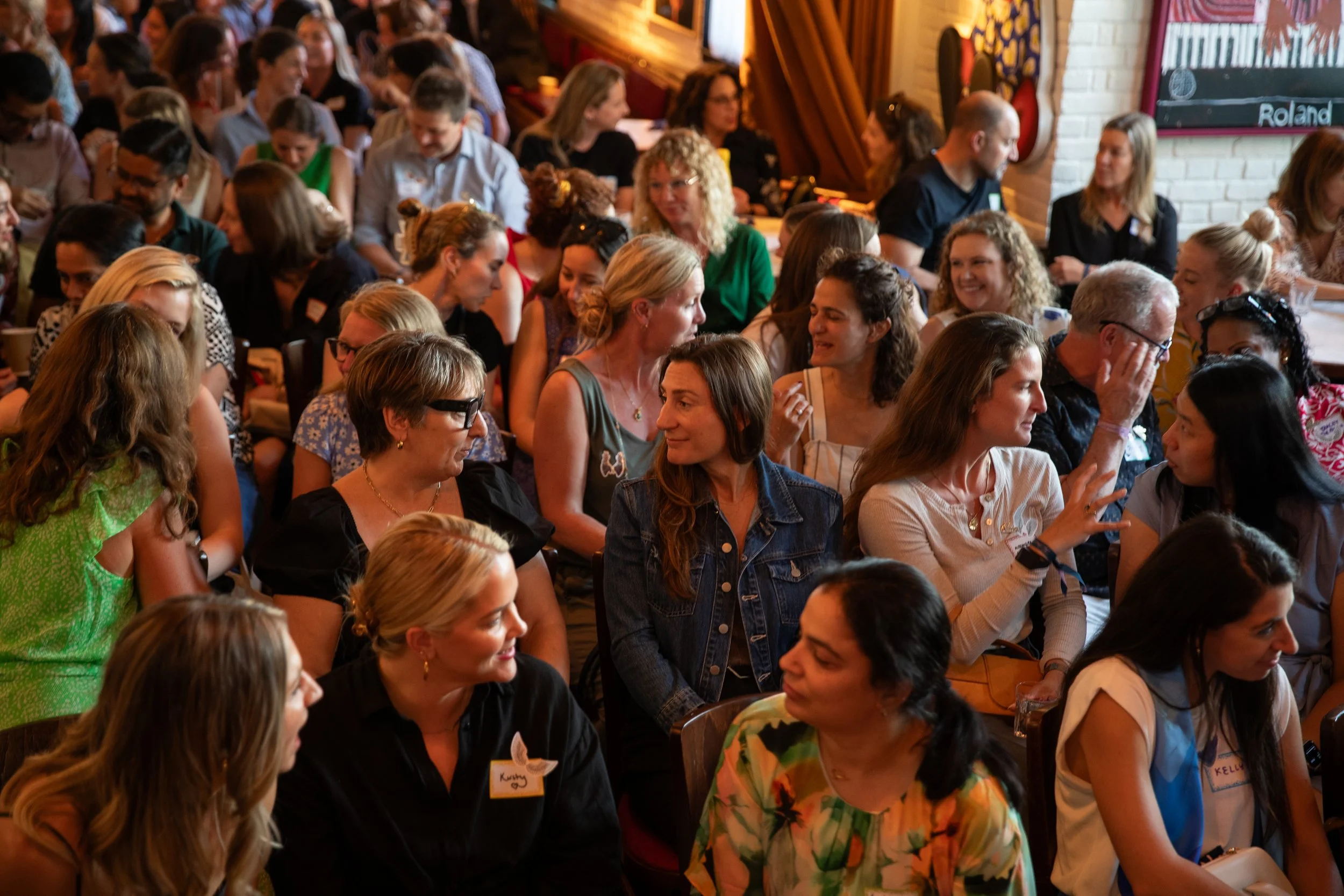
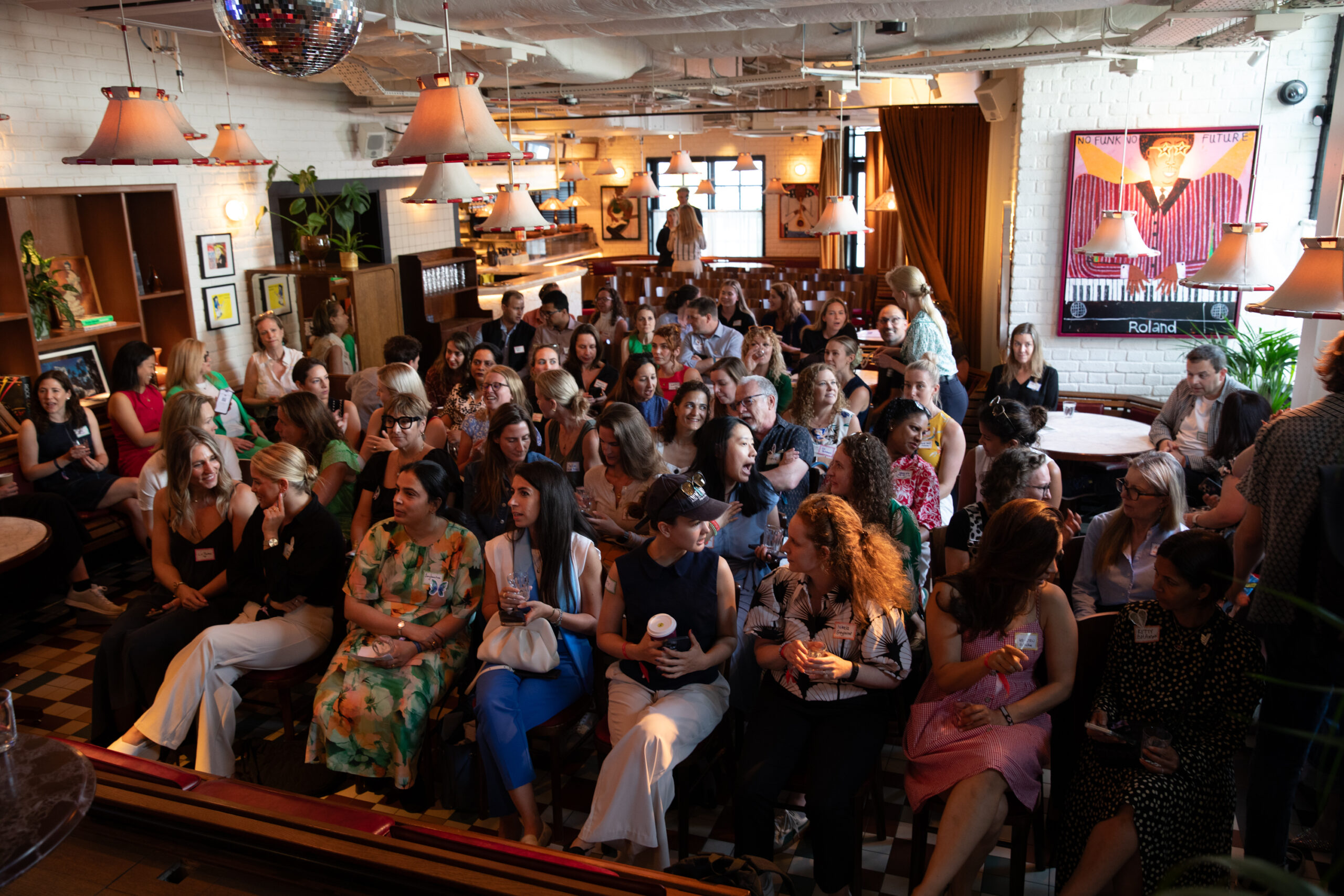
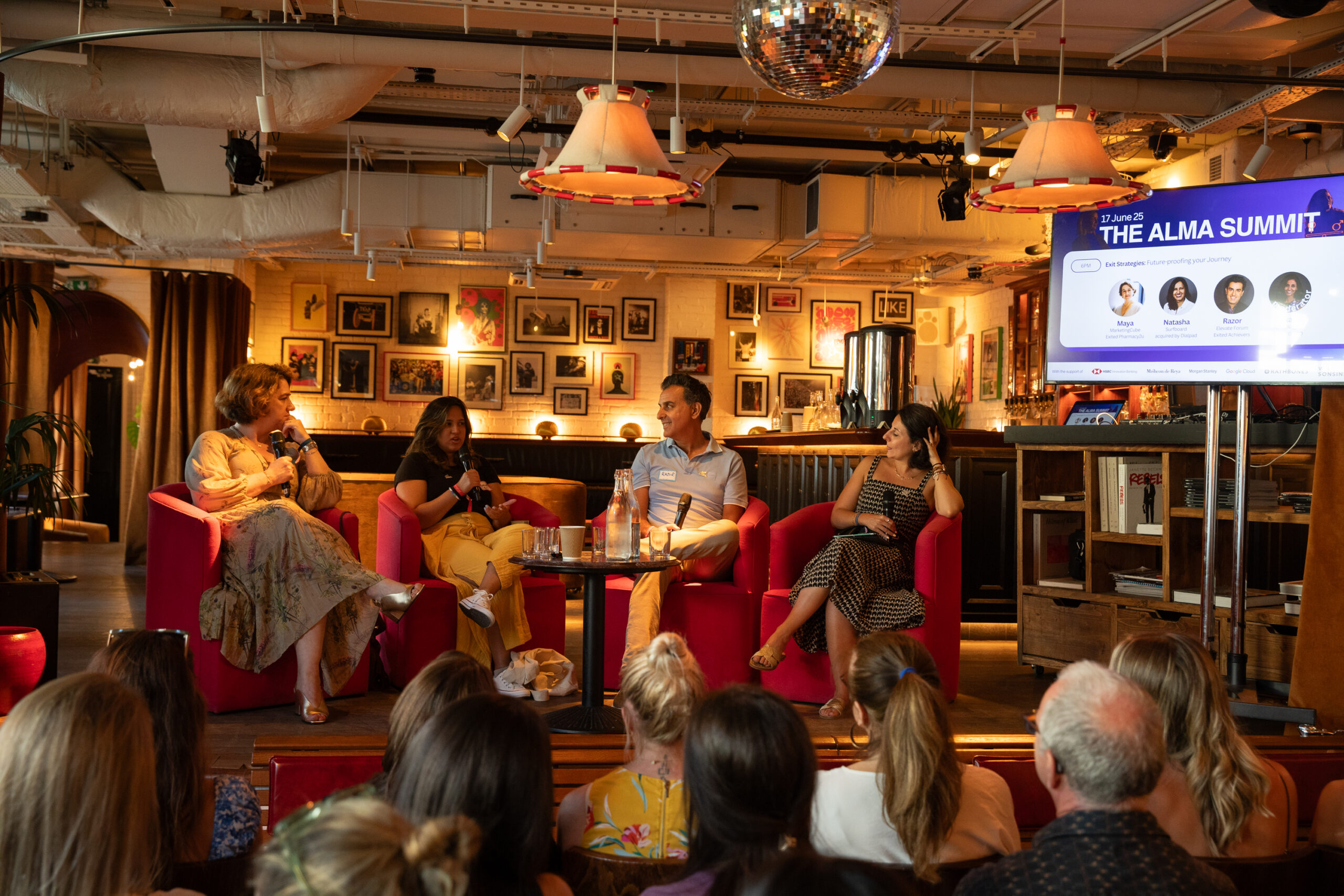
The Alma Summit brings together founders, investors, operators and ecosystem leaders to examine how capital, networks and decision-making shape the businesses that get built. Taking place at Town Hall by Bottaccio on 17 June 2026, the Summit is designed as a space for practical conversation and connection regarding building and funding the next innovative products and companies and how the infrastructure of innovation can become more representative.
For Town Hall, the partnership reflects the purpose of the building itself. Reimagined as a civic and cultural forum for ideas, innovation, impact and community, Town Hall exists to host the conversations shaping what comes next. Alma’s work sits naturally within that mission.