
Cynthia Erivo on Determination, Vulnerability, and the Power of Simply Being More
Grammy, Emmy and Tony Award-winning actress, singer and producer Cynthia Erivo spoke with Ncuti Gatwa about her new book Simply More, her journey to playing Elphaba in Wicked, and why being “too much” has always been her greatest strength.
By Aaron Shefras
There’s a quality to Cynthia Erivo in person that doesn’t quite translate through screens. Maybe it’s the way she speaks about determination like it’s a mirror we’re all holding up to ourselves, or the fact that she carries a specific thermos (she has ten) and will genuinely tell you about it when asked what keeps her grounded. The evening at Town Hall felt less like watching a star mid-press tour and more like sitting in on a conversation with someone who has learned to metabolise pressure into clarity.
Balancing Stardom and Creativity
She arrived in the thick of the Wicked promotional machine, a film she has been preparing for in ways she didn’t fully understand until it arrived. A decade ago, she sang “Defying Gravity” at RADA. Not for an audition. Not for a role. Just because the music made her feel calmer, more seen. That version of her didn’t know Elphaba was waiting. But the seed, as she describes it, was already buried. “Sometimes the things that are waiting for us are forcing you to get ready for them,” she said. It’s the kind of line that sounds like hindsight but reads more like instinct.
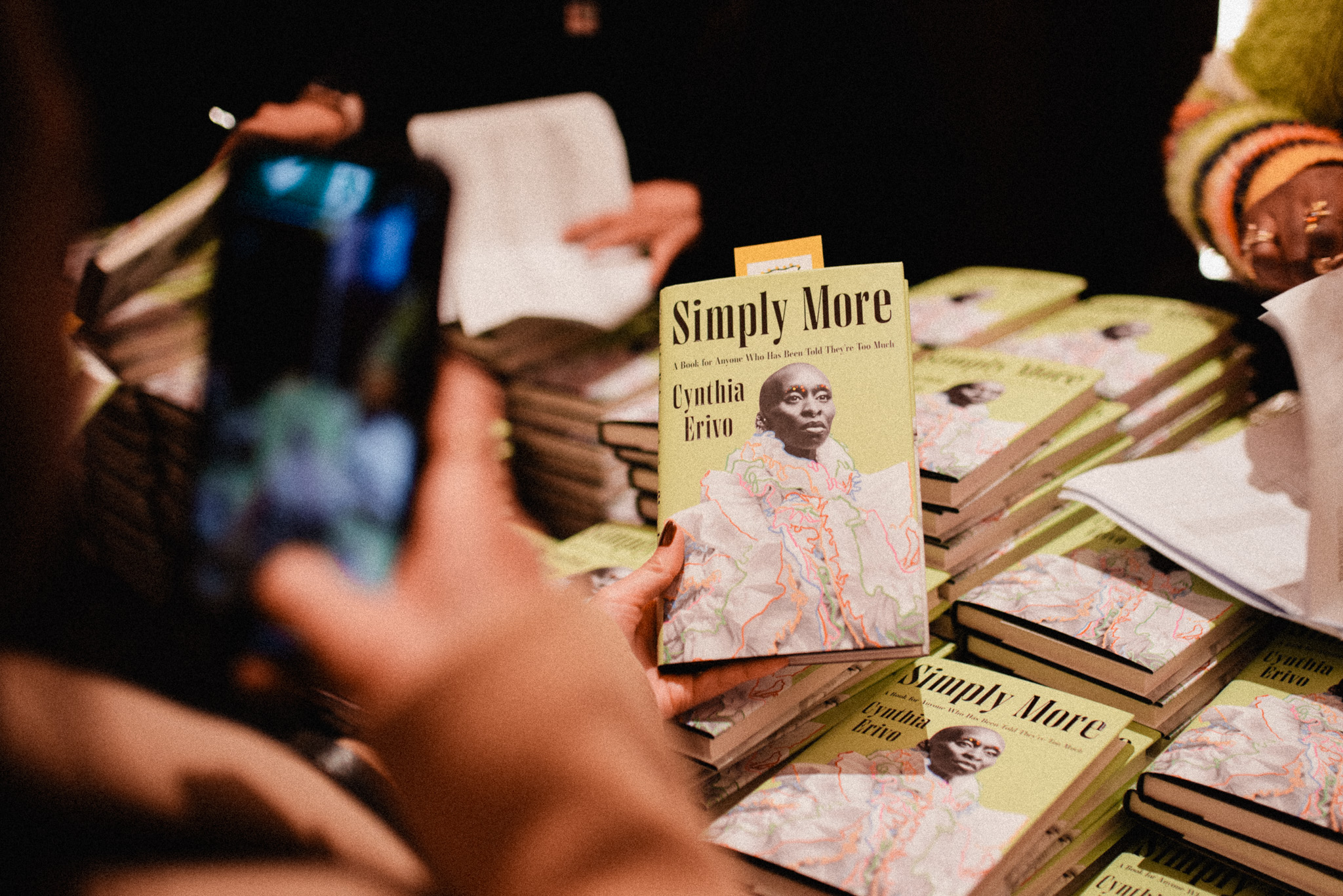
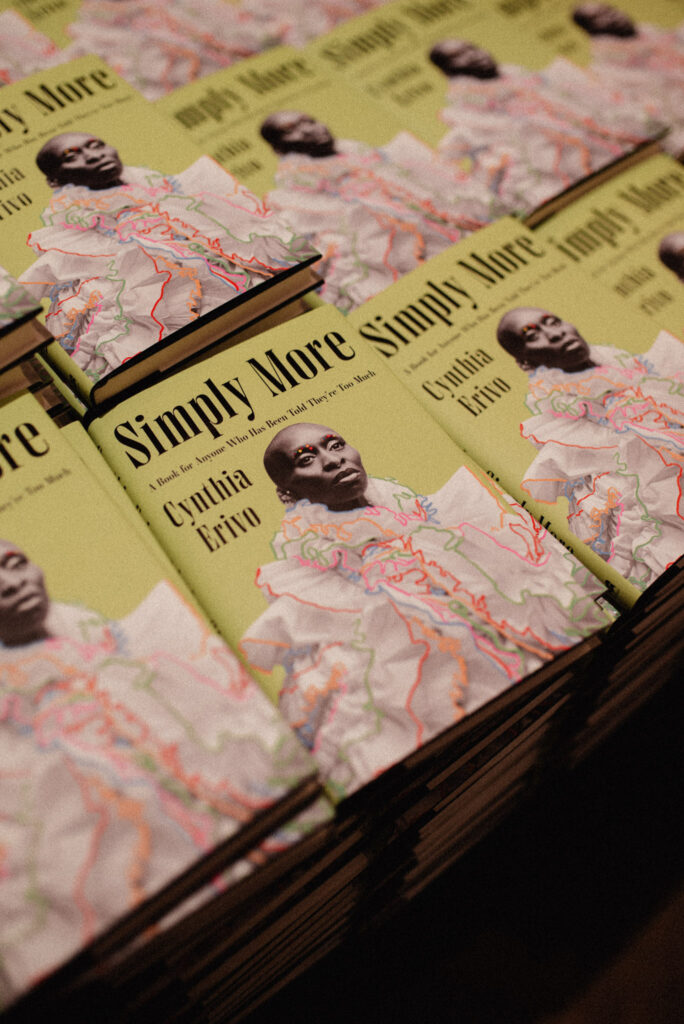
Her book, Simply More, sits alongside the film as a companion project, not a coincidence. For years, her agent pushed. For years, she said no. She doesn’t write about herself for the sake of it. But speeches she’s given, lessons she’s accumulated, the idea that maybe someone might ask themselves the questions she’s had to ask, that became the threshold. The book isn’t memoir as monument. It’s memoir as marathon.
Which brings us to the running. Every morning. Non-negotiable. It gets her into her body before the day gets into her head. Practical, meditative, necessary. The kind of ritual you need when you’re juggling a world press tour and a book launch and the emotional architecture of playing Elphaba, a character people have loved long before you arrived.
Embracing Individuality and Representation
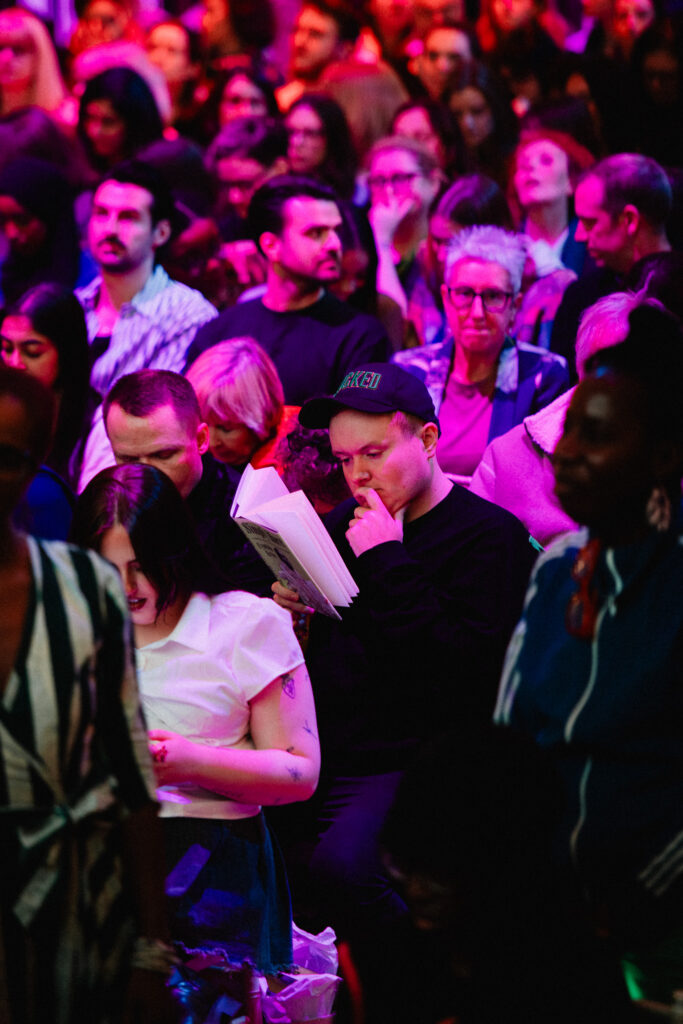
She spoke about being called “too much” in the way people do when they mean it as limitation, not liberation. If she had to crown one quality, it would be “too determined.” Not as a defence, but as a mirror. “If you’re watching someone who’s really determined, which means that they will stop at nothing to make sure that they do the thing they want to do, if you are a person who knows you have something that you need to keep working for and you are not determined, the person who is determined is just a mirror.” We reflect each other. And in that reflection, we either recognise what we’re capable of or what we’re afraid to become.
For anyone struggling with feeling too individual, too different, too themselves, she offered this: individuality is the seed. “The problem with trying to be like someone else is that they already exist. You were never meant to be like them. You were always meant to be like yourself.” It’s almost too simple, which is probably why it’s true.
She grew up in South London, surrounded by cultures, cuisines, languages. By ten, she had tasted more food than most people encounter in a lifetime, which meant she was never afraid of someone else’s table. Representation, for her, isn’t just visibility. It’s appetite. “There is such a wonderful opportunity to learn about someone other than yourself that then expands how you think about the world at large.” That hunger for knowledge, for difference, for texture, it shaped everything that followed.
For young people still figuring out who they are, she paused, then smiled. “Take your time. The fact that you’re even trying to work it out is a really brave thing. And you don’t have to know the answer right now. We sometimes don’t know. And actually not knowing is where you can discover who you actually are. You just exist. And that’s okay.”
Navigating Vulnerability and Resilience
The emotional toll of playing characters like Celie in The Color Purple or Harriet Tubman nearly broke her. She took them home. Her body held the weight. By the end of The Color Purple, she was torn up. After Harriet, she had what she called a mini breakdown. Therapy became the tool that let her say, actively, consciously: “Thank you so much for being here. You are free to go now. I would like my body and my soul back.”
With Elphaba, she learned. She found the tools. But the vulnerability is still there, carefully managed, deliberately released.
Rejection, she’s learned, is simply space being made for the yes that’s meant for you. She’s fine with the nos because forcing a yes from something not meant to be puts you on the wrong path. But with The Color Purple, she knew. She couldn’t tell you why. She just needed to get in the room. Once she was in the room, she knew it could be hers.
When she finally filmed “The Wizard and I” for Wicked, she wanted to turn around to her younger self and say: well done. Well done for picking up that book and singing it. “The seed is buried deep. You don’t know when you just follow your heart, your instinct, your gut, that is the seed. It will lead you exactly where you’re meant to be. And be patient, because it will show itself. And when it does, because you have followed your heart, your gut, your instinct, you will be ready for it.”
The evening ended not with applause but with a kind of collective exhale. It’s November. The city is tilting into its darker months. But nights like this, with artists like her, remind you that culture doesn’t dim when the light does. It sharpens.
