Science that serves everyone: why ecosystems matter
Science that serves everyone: why ecosystems matter
Scientific breakthroughs only become societal breakthroughs when ecosystems convene to help them move from lab to life.
By Ella Goldner, Managing Partner, Zinc
Modern history is full of proof that science can transform lives at scale. Vaccines added decades to human life expectancy. The Green Revolution averted global famine. The repair of the ozone layer showed that even planetary-scale damage could be reversed. These were not accidents of genius working alone, they were the product of systems that knew how to move a breakthrough from the lab into the lives of the people who needed it.
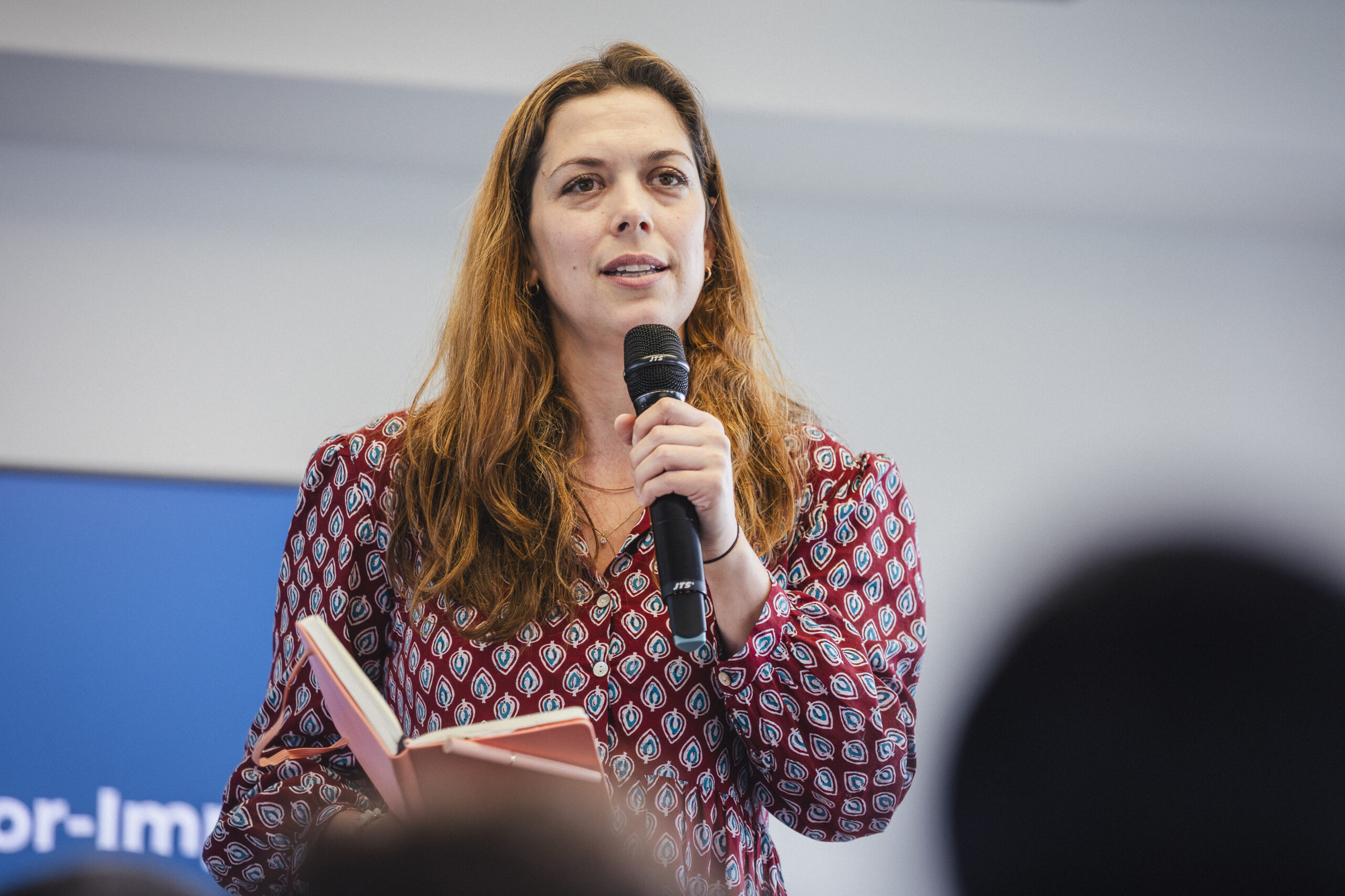
Ella Goldner at the Zinc Summit 2025
The Distance Between Discovery and Impact
Today, that system is faltering. Progress on cancer and dementia has slowed. Mental health is declining. Climate and environmental pressures are intensifying. This is not for lack of talent, ideas, or capital — by most measures, we have more of all three than ever before. The problem is that the structures around science have become fragmented, risk-averse, and slow. And the people who pay the price are too often the communities already underserved by health and environmental systems.
Promising discoveries sit dormant in university archives. Entrepreneurs who could commercialise them cannot access the science or data they need. Capital is trapped in rigid silos, segregated by stage, sector, and geography. The result is a system optimised for maintenance, not transformation.
This is the gap that the growing Science-for-Impact movement in the UK is working to close. Across the country, a new generation of scientists, entrepreneurs, funders, and operators are choosing to apply their skills and resources to the problems that matter most: people frustrated by the gap between scientific progress and real-world impact, and determined to close it.
The Architecture of Impact
At Zinc, we’ve spent nearly a decade backing this movement directly, supporting nearly 50 early-stage Science-for-Impact ventures across health and environment, from diagnostics that catch disease earlier to technologies decarbonising heavy industry. The pattern we see again and again is that the best ideas rarely come from a single brilliant founder working in isolation. They come from people embedded in an ecosystem that helps them see the problem clearly, test their thinking, and find the partners who can take an idea further than they could alone.
Proximity matters to how that ecosystem forms. Innovation hubs succeed not just because they cluster talent, but because they cluster difference and diversity — researchers next to investors, clinicians next to engineers, policymakers next to founders — in a way that makes unlikely collisions more likely. We see this first-hand here in King’s Cross, now home to one of the UK’s most concentrated mixes of scientific institutions, research-led universities, start-ups, and investors, alongside a wave of cultural and civic spaces reimagining what this kind of neighbourhood can be.
It is no coincidence that Zinc and Town Hall both call this area home. The density of ambition here creates a kind of gravitational pull, and it is one of several emerging Science-for-Impact hubs taking shape across the UK, from Cambridge to Liverpool to Glasgow. Zinc is becoming the connective tissue between these local innovation hubs, helping the people and ideas within them find one another across geographies, not just within them.
But proximity alone is not enough. Ecosystems need to be convened, deliberately and repeatedly, to do their work. The most important breakthroughs we’ve seen in our portfolio rarely happened in a single meeting; they happened because founders kept showing up and did the slow work of building the relationships and trust that make real collaboration possible — with scientists, funders, partners, and experienced operators who believed in the same mission.
The Human Infrastructure of Change
When this works, the outcomes are tangible. Ventures like Respiro Diagnostics are enabling earlier diagnosis for diseases that are far easier to treat when caught early. Neuroase is developing high-precision surgical systems for brain surgery, designing tools with the clinicians and patients who will actually use them in mind. And Potenix is turning food waste into clean energy, reaching communities most exposed to climate risk, not just those with the resources to adapt.
Health and environmental innovation has too often bypassed the populations who need it most. A well-convened ecosystem is one of the most powerful tools we have to close that gap, ensuring the benefits of scientific progress reach further than the postcodes nearest to where the science happens.
This is why Zinc exists. We believe that the world’s most important problems can be solved through Science-for-Impact — but only if the systems around science evolve to match the scale of human and scientific potential already out there. It is also why we are bringing our community together this summer for the Zinc Summer Gathering at Town Hall: a chance to convene the founders, investors, chairs, and supporters who make up our ecosystem, not only to celebrate what we’ve built together, but to catalyse and strengthen the relationships that will determine what we build next.